FLUOROSCOPY
Fluoroscopy is a medical imaging technique that uses a continuous X-ray beam to create real-time, moving images of the inside of your body, much like an X-ray “movie”. This allows physicians to observe organ function, guide procedures, and diagnose conditions in the digestive, skeletal, urinary, respiratory, and reproductive systems.
HOW IT WORKS
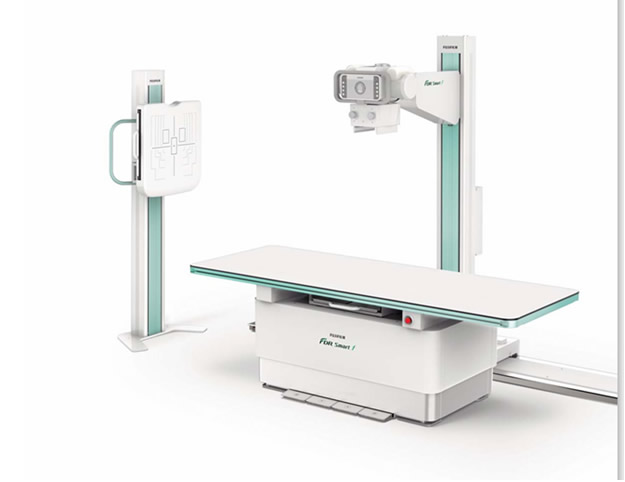
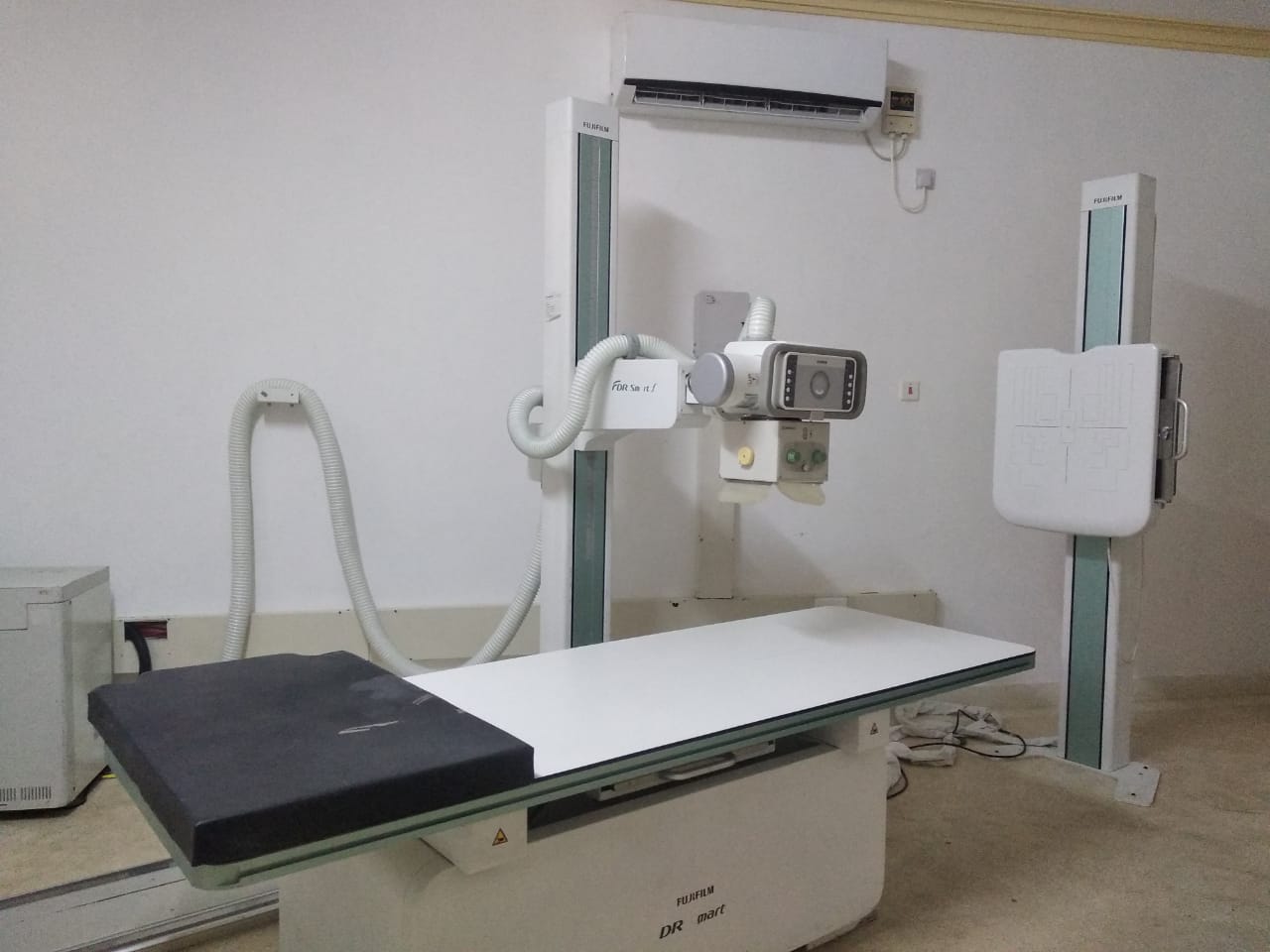
During a fluoroscopy, an X-ray beam is passed through the body to an image receptor (either an image intensifier or a flat panel detector). The images are then transmitted to a monitor for detailed, real-time viewing.
- Contrast Agents:To make specific organs or tissues more visible, a contrast material (often barium or an iodine-based compound) may be introduced into the body by swallowing, injection through an IV line, or as an enema.
- Procedure:Just like an X ray examination, you may be asked to change into a gown and remove jewelry. You may stand, lie or sit on a procedure table, and the healthcare provider will position the X-ray machine over the area of interest. You may need to change positions or hold your breath at times.
COMMON USES
Fluoroscopy is used in a variety of diagnostic and interventional procedures:
- Gastrointestinal (GI) Tract:Barium swallows, Meals, Follow through and enemas help visualize the esophagus, stomach, intestines, colon, and rectum to diagnose issues like acid reflux, ulcers, or blockages.
- Orthopedic Surgery:Guides surgeons during joint replacements, fracture repairs, and the placement of surgical hardware.
- Urology and Reproductive Systems:Used in procedures like cystography; to examine on Urinary bladder, kidneys and ureters and hysterosalpingography to examine the, uterus, and fallopian tubes for abnormalities.
X-RAY PREPARATION
Appointments can be scheduled but are not required for routine x-ray exams, walk-in appointments are welcome.
Precaution for every woman of reproductive age is highly regarded. They are required to tell the imaging technologist whether they are, or suspect they might be pregnant.
You will need to remove jewelry or clothing that might interfere or project onto the image at the imaging region of interest. No other preparation is needed.
What to Expect
A registered (licensed/board-certified) Imaging technologist will discuss the procedure with you and answer any questions you might have. For female patients will be required to inform the technologist if they are or could be pregnant.
May be asked to change into an examination gown. You will be taken to the x-ray room where you will be positioned for the exam – either standing, sitting, or lying down on a table, depending on which part of your body is to be imaged. Holding on your breath still is important, and some tests will require you to hold your breath. Most often, at least two views of a body part will be obtained.
Results of urgent studies will be phoned immediately to your referring physician. Results on all radiographic images are typically sorted by the end of the day.